Export-Grade Uganda Arabica & Robusta Coffee
Supplied Worldwide in Bulk
Leading Uganda coffee exporters of premium green Arabica and Robusta beans — sourced from highland regions, processed for export standards, and supplied to global roasters, importers, and wholesale buyers.
Uganda Vanilla Suppliers – Buyer’s Guide to Sourcing Premium Vanilla Beans
More global buyers are searching for Uganda vanilla suppliers rather than defaulting to Madagascar or Indonesia. Why? Because Ugandan vanilla now delivers competitive pricing, rich aromatic profiles, and increasingly reliable export volumes.
At Damex Imports and Exports Ltd, we grow vanilla on our own farms in Kasese and Bundibugyo, and partner with a network of cured outgrowers. That means direct control over quality, moisture levels, and traceability. This guide walks you through everything you need to know as a serious buyer.
✓ Response within 24h | ✓ Pre‑shipment samples | ✓ Contract & bulk support

International vanilla buyers are diversifying their supply chains. Traditional origins face:
- ✓ Price volatility – Madagascar prices swung from $80/kg to $500/kg in recent years
- ✓ Cyclone risk – seasonal storms disrupt crops and supply
- ✓ Inconsistent curing – quality fluctuations affect extract yields and aroma
Uganda vanilla suppliers now offer a reliable alternative with beans that compete on quality (1.6–1.9% vanillin) while often undercutting premium origin prices by 15–25%.
This guide covers everything serious buyers need to source from Uganda vanilla suppliers:
Why Uganda Is Becoming a Serious Vanilla Origin
Uganda isn't new to vanilla. The country has grown vanilla since the 1990s, but export quality has transformed over the past five years. Curing techniques have professionalized, farmer cooperatives now standardize post‑harvest handling, and exporters have invested in proper storage.
Today, Uganda is Africa’s second‑largest vanilla producer after Madagascar, with distinct advantages: volcanic soils in the Rwenzori region, consistent tropical rainfall, and a grower base that treats vanilla as a primary cash crop, not a side project.
- 📈 Export volumes growing 18–22% annually
more suppliers with container‑ready capacity (20ft/40ft). - 💰 Competitive FOB pricing
generally 15–30% below Madagascar bourbon vanilla at comparable grade. - 🍫 Rich, creamy aroma with smoky-woody notes
preferred by chocolatiers and ice cream brands for its distinctive profile. - 🌍 African origin demand growth
EU and US buyers actively seeking supply chain diversification post‑cyclone disruptions.
📅 Uganda’s vanilla evolution:
Buyer shift in progress
Our importer surveys show 34% of vanilla buyers plan to add an African origin (Uganda or Tanzania) to their sourcing mix by 2027. Diversification is no longer optional.
🔍 Why roasters & ice cream brands are adding Uganda:
- Bypass Madagascar's price extremes and cyclone disruptions
- Distinct smoky‑creamy profile differentiates end products
- Direct relationships with farm groups possible (traceability)
- FOB Mombasa logistics improving with container consolidation
What Experienced Buyers Look for in Uganda Vanilla Suppliers
What separates good from risky
After fifteen years in vanilla export, I've watched buyers make the same mistakes repeatedly. Here's what separates a good supplier from a risky one:
- ▹ Moisture consistency – professional suppliers maintain 30–35% moisture for gourmet beans. Higher moisture means you pay for water; lower means brittle, difficult‑to‑use beans.
- ▹ Bean length grading – top suppliers sort by length (14cm+, 16cm+, 18cm+) and provide grade breakdowns in every quotation.
- ▹ Curing quality documentation – ask about their curing method (traditional slow sweat vs. accelerated). Real exporters explain their process openly.
- ▹ Mold prevention protocols – Uganda's humidity requires careful post‑cure drying and proper vacuum sealing. Request photos of storage facilities.
- ▹ Export documentation readiness – phytosanitary certificates, Certificate of Origin, commercial invoices, and packing lists should be mentioned without you having to ask twice.
Quick Supplier Verification
Ask any potential supplier these three questions:
- {{q-counter}} "Can you send a 500g sample with your current export grade?"
- 2 "What's your typical lead time for 500kg after sample approval?"
- 3 "Do you have vacuum sealing and export cartons ready?"
🚩 Red flags to avoid:
- No samples available or delayed response (>1 week)
- Unable to explain moisture % or curing process
- Hesitation to share export documentation examples
- Price significantly lower than market – often indicates poor quality or adulteration
Real Uganda vanilla suppliers answer these immediately. Brokers hesitate.
Common Mistakes Importers Make When Buying Vanilla (and How to Avoid Them)
Mistake #1: Buying on price alone
The cheapest Uganda vanilla suppliers often deliver high‑moisture beans (38%+) that mold in transit or lose weight dramatically in your warehouse.
Mistake #2: No sample approval before bulk order
Never commit to 100kg+ without physically inspecting and testing a representative sample from the current crop.
Mistake #3: Ignoring crop traceability
Different districts (Kasese, Bundibugyo, Kamuli) produce noticeably different aroma profiles.
Mistake #4: Poor logistics planning
Air freight costs from Entebbe to Europe/USA have doubled since 2022. Consolidate orders or plan sea freight (45–60 days) to protect margins.
Mistake #5: Verbal agreements only
Get written specifications: grade, moisture, length distribution, mold tolerance, packaging, incoterm, and payment terms. Verbal deals lead to disputes.
💡 The smart buyer's checklist before any purchase:
Moisture (30–35%) | Sample from actual lot | Regional traceability | Logistics plan (air vs. sea) | Written contract with specs
Uganda Vanilla Grades Explained (With Buyer Use Cases)
| 📋 Grade | 📏 Length | 💧 Moisture | ✨ Vanillin % | 🎯 Best Use Case |
|---|---|---|---|---|
| Gourmet / Premium | 16cm+ | 30–33% | 1.8–2.0% | Ice cream, pastry, direct retail, private label whole beans |
| Grade A (Standard export) | 14–16cm | 32–35% | 1.6–1.8% | Extract production, bakery manufacturers, chocolate makers |
| Extraction grade | 10–14cm or split | 30–35% | 1.5–1.7% | Flavor houses, oleoresin, large‑scale extract |
| Cuts & splits | 5–10cm pieces | 30–32% | 1.4–1.6% | Cost‑effective extract, ground vanilla, cosmetic scrubs |
| Vanilla powder raw material | Ground bean | 8–12% | 1.4–1.6% | Industrial extract, dry blends, seasoning mixes |
Harvest Seasons in Uganda and Why Timing Matters
Two Unique Harvest Cycles
Uganda has two vanilla flowering and harvest cycles, unlike Madagascar's single main harvest. This provides buyers with more flexibility and year‑round supply options.
-
🍃
Main harvest
July – September → Peak bean availability
Cured beans ready October – December
Best time for large volume contracts (full container orders). -
🌱
Secondary harvest
January – February → Smaller volume
Cured beans ready March – April
Useful for top‑up orders or buyers who missed the main window.
Harvest & Curing Timeline
📌 Strategic buying tips:
- For best pricing: Negotiate contracts August–October for Q4/Q1 delivery.
- For consistent supply: Use the secondary harvest to top up mid‑year.
- For maximum freshness: Request beans from the most recent curing batch (within 3–4 months).
- Forward contracting: Lock prices 6–12 months ahead during the main harvest to avoid seasonal premiums.
📅 Best buying windows for importers:
- Bulk contracts: September – December (freshest cured beans)
- Sample approvals: August – September (test new crop quality)
- Spot purchases: Any time, but expect higher prices February – June
Uganda Vanilla vs Madagascar vs Indonesia
| 📋 Characteristic | 🇺🇬 Uganda | 🇲🇬 Madagascar (Bourbon) | 🇮🇩 Indonesia |
|---|---|---|---|
| Flavor profile | Creamy, smoky-woody, dried fruit | Fruity, winey, floral, classic | Smoky, earthy, less sweet |
| Typical pricing (FOB) | Mid-range, growing premium | Premium origin, volatile | Lower-cost alternative |
| Vanillin content (typical) | 1.6–2.0% | 1.8–2.2% | 1.2–1.6% |
| Moisture typical | 30–35% | 30–38% | 25–32% |
| Supply reliability | Improving, smaller volumes | Large volume, cyclone risk | Consistent but lower flavour intensity |
| Best use case | Chocolate, ice cream, extract blends | Premium whole bean, high-end extracts | Industrial extract, cost-sensitive buyers |
How to Verify a Real Uganda Vanilla Supplier (Before You Send Payment)
6-Step Supplier Verification
- ▹ Company registration check – Ask for their Uganda Registration Services Bureau (URSB) certificate. Verify online or via local chamber.
- ▹ Export history – Legitimate Uganda vanilla suppliers can show past bills of lading or provide references from existing international buyers.
- ▹ Sample policy – Real suppliers send samples (paid or free with shipping). Scammers promise bulk but can't produce a sample matching their claimed quality.
- ▹ Communication response time – 24–48 hour replies to technical questions about grading, moisture, or curing. Ghosting for a week is a red flag.
- ▹ Inspection readiness – They should welcome a third‑party inspection (SGS, Bureau Veritas) before shipment.
- ▹ Clear payment terms – Standard is 30–50% deposit, balance against BL copy or LC. 100% upfront is unusual for established suppliers.
Red Flags – Walk Away If You See These
- ✗ No physical office or farm visit possible – even via video call
- ✗ Prices significantly below market (e.g., Grade A for $50/kg when market is $120+)
- ✗ No sample available or “sample fee” that is excessively high
- ✗ Pressure to pay 100% upfront via wire transfer (no LC, no escrow)
- ✗ Unable to explain curing process or moisture control
📋 Quick verification flow:
Pro tip: Always use a Letter of Credit (LC at sight) for first orders. It protects both parties and is standard in vanilla trade.
⚠️ Warning signs to walk away:
- Pressures you to pay 100% upfront
- Won't share a physical address in Uganda
- Claims to have "all grades" but can't describe their curing process
- Quotes prices dramatically below market without explanation
- No clarity on whether they grow, buy, or broker
Packaging Options for International Buyers
Vacuum Sealed (Recommended)
Removes oxygen, prevents mold, and locks in aroma. Standard for sea freight. Heat‑sealed food‑grade bags (FDA/EFSA compliant).
5kg Bulk Packs
Convenient for food manufacturers. 4–6 packs per outer carton. Easy portioning for production lines.
25kg Export Cartons
Industry standard for full container loads (FCL). Double‑walled corrugated with inner moisture barrier. Palletized for efficient handling.
Retail-Ready Jars / Tubes
Glass jars, PET tubes, or resealable pouches. Private label branding available (MOQ negotiable – typically 500–1000 units).
Nitrogen Flushed Packs
Premium option for long‑term storage (>12 months). Inert gas prevents oxidation and preserves moisture. Used for investment‑grade vanilla.
Shipping Options from Uganda
Air Cargo (Entebbe)
Transit: 3–7 days to Europe / Dubai / China. Best for samples or urgent orders under 500kg. Higher cost, but fastest option.
Courier (DHL / FedEx)
Transit: 2–4 days worldwide for sample packages (≤5kg). Ideal for pre‑shipment quality verification.
Consolidated Freight (LCL)
Shared container. Cost‑effective for 500kg – 5,000kg orders. Longer transit due to consolidation (add 1–2 weeks).
FOB Mombasa (Full Container)
Most common for bulk. Sea freight: 35–45 days to Europe, 45–60 days to USA, 30–40 days to Middle East/Asia.
CIF / Door Delivery
We can arrange full logistics to your warehouse including ocean freight, insurance, and customs clearance. Single point of contact.
Uganda Vanilla Price Drivers in 2026
What Actually Moves Prices
Vanilla pricing fluctuates significantly. Instead of fake numbers that will be wrong in three months, here's what actually moves prices in Uganda:
- ▹ Crop size – Good rains = larger harvest = lower prices. Drought or disease = scarcity = premiums.
- ▹ Grade and length distribution – A container of 16cm+ beans costs considerably more than mixed lengths.
- ▹ Moisture content – 30% vs 35% moisture changes effective kilo price by ~15%.
- ▹ Global vanilla market cycles – Uganda prices follow but lag Madagascar trends by 1–2 months.
- ▹ Order volume – 100kg vs 5,000kg pricing differs meaningfully (10–25% volume discounts).
- ▹ Certification needs – Organic or Fairtrade adds 15–25% to conventional pricing.
2026 Market Outlook
🔍 Proactive buyer tips:
- Request current crop month – fresher beans command slight premium.
- Ask for moisture report – effective price changes ±15%.
- Negotiate volume tiers – 500kg vs 5,000kg often gets 10–20% discount.
- Monitor Madagascar price trends (via Mintec or Tridge) – Uganda lags by 4–8 weeks.
Prices are indicative and subject to crop size, exchange rates, and global demand. Lock in forward contracts for price stability.
💰 How to get accurate pricing today:
Request a current quotation from 3–5 verified Uganda vanilla suppliers. Specify your grade, quantity, moisture tolerance, packaging, and port. Compare FOB Mombasa vs CIF your port.
We publish our indicative pricing quarterly for registered buyers. Contact us for the latest update.
Best Buyers for Uganda Vanilla (Who Benefits Most?)
Ice Cream Manufacturers
Uganda's creamy, less‑fruity profile blends beautifully into dairy without overpowering. Ideal for mass‑market and premium frozen desserts.
Chocolatiers
The smoky‑woody notes complement dark chocolate exceptionally well – adds depth without masking cocoa nuances.
Extract Producers
Extraction grade Uganda beans (10–14cm, splits) offer excellent value for large‑volume extract – 15–25% below Madagascar Grade B.
Organic & Natural Brands
Uganda has growing certified organic vanilla at competitive premiums (+15–25% vs. conventional). EU/USDA options available.
Gourmet Retailers
Premium 16cm+ beans in branded jars – Madagascar competitors take note. Private label ready with attractive price point.
Cosmetic Brands
Splits and cuts for fragrance, scrubs, and natural formulations. Cost‑effective way to add vanilla scent without whole bean premium.
📊 Who benefits most?
Uganda vanilla is particularly strong for ice cream, chocolate, and extract applications. The profile is less floral than Madagascar, making it versatile for blending. Early adopters gain supply security at competitive pricing.
Frequently Asked Questions (FAQs)
Are Uganda vanilla suppliers reliable for repeat orders?
Increasingly yes. Established exporters like Damex have quality systems, storage, and relationships with thousands of farmers. Always verify export history before committing to large contracts.
What's the minimum order quantity (MOQ) from Uganda vanilla suppliers?
Ranges from 10kg for samples up to full container loads (5,000–7,000kg). Many exporters offer 50kg–100kg for first trial orders.
How do I request vanilla samples from Uganda?
Contact 3–5 shortlisted suppliers, pay for courier shipping ($50–80 via DHL), receive 200–500g. Test for aroma, flexibility, moisture feel, and vanillin content if you have access to lab testing.
What documentation do Uganda vanilla suppliers provide?
Phytosanitary certificate, Certificate of Origin (from Uganda Chamber of Commerce), commercial invoice, packing list, and sometimes fumigation certificate. Optional: third-party quality inspection report.
Is organic vanilla available from Uganda?
Yes. Multiple certified organic producer groups exist, particularly in Kasese and Bundibugyo. Expect premium pricing and annual audit documentation.
How does Uganda vanilla quality compare to Madagascar?
Different, not worse. Madagascar is fruitier and more delicate. Uganda is creamier, smokier, and holds up better in heat-processed applications like baked goods and chocolate. Quality consistency has improved dramatically since 2020.
What payment terms do Uganda vanilla suppliers accept?
Standard: 30–50% deposit, balance against shipping documents (BL copy). Larger buyers can negotiate LC at sight or even 60–90 day terms after establishing trust.
Can I visit vanilla farms and curing facilities in Uganda?
Yes. Serious buyers are welcome. We arrange farm visits in Kasese and Bundibugyo, plus curing house inspection. Best time: August–October during harvest.
How long does sea freight take from Mombasa to Europe?
Typically 35–45 days to Rotterdam or Hamburg. Add 10–15 days for interior delivery.
What's the shelf life of properly stored Uganda vanilla beans?
Vacuum sealed at 30–35% moisture: 2–3 years. Once opened, use within 12 months and store cool/dark.
Are there vanilla cooperatives in Uganda?
Yes, several. Some exporters work through co-ops for traceability and farmer support. Others buy directly from farmers. Each model has trade-offs in consistency vs traceability.
What's the best way to test a new Uganda vanilla supplier?
Start with a paid sample. Then a 50–100kg trial order. Inspect or have inspected. Then scale to 500kg–1,000kg. Never start with a full container from an untested partner.
Ready to Source from Verified Uganda Vanilla Suppliers?
Request current crop availability, specifications, and sample pricing. Bulk orders from 100kg to full containers. Organic and conventional grades available.
All inquiries answered within 24 hours | Free samples for bulk trial orders over 500kg
Our Services
Procurement
Direct sourcing from 1,500+ trusted outgrower farmers across Uganda.
Processing
Wet/dry coffee mills and traditional vanilla curing shed — full quality control at every step.
Trade Export
Sea & air freight, all documentation, certifications, and climate-controlled warehousing.
Roasting
Artisan roasting profiles tailored to specialty buyers and foodservice clients worldwide.
Coffee & Vanilla, Together
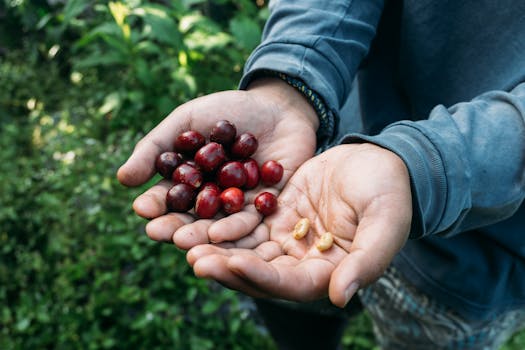 Coffee
Arabica Washed AA
Specialty-grade Arabica from Mt. Elgon. Floral notes, bright citrus acidity.
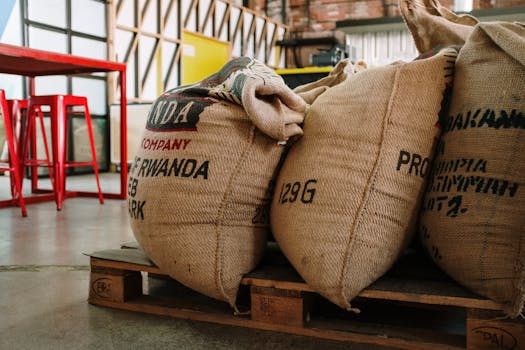 Coffee
Robusta Screen 18
Premium natural-dried Robusta. Bold body, chocolate and earthy notes.
 Vanilla
Gourmet Vanilla Beans
Vanilla planifolia, 15–20 cm. High vanillin content (>1.8%). Moist and pliable.
Our Impact in Numbers
* 800+ tonnes of coffee + 60+ tonnes of vanilla · 45% female farmers · 3 solar drying units · 12,000+ shade trees planted
Ready to Import Uganda's Finest?
Whether you need green coffee beans, cured vanilla pods, or a mixed container – we are ready to partner with you. Ethical sourcing, transparent pricing, reliable delivery.
Request a Quote
Tell us what you need — coffee, vanilla, or both. Our team will get back to you with full specifications and pricing within 24 hours.