Bulk Madagascar Vanilla Beans
Exported Globally
Premium Bourbon vanilla beans from Madagascar — carefully cured, graded, and exported in bulk for wholesalers, food manufacturers, and global spice distributors.
🌿 Verified Madagascar Vanilla Exporters
Madagascar Vanilla Suppliers: Premium Bourbon Vanilla for Global Buyers
Global food manufacturers, ice cream producers, and cosmetic brands increasingly search for reliable Madagascar vanilla suppliers – not only for the world‑renowned Bourbon aroma but also for consistent quality, traceability, and supply security. Madagascar produces over 80% of the world’s natural vanilla, making it the undisputed origin for authentic vanilla beans.
From gourmet grade beans (moist, oily, high vanillin) to extract grade and cuts for industrial processing, we connect buyers with verified exporters, cooperatives, and specialty suppliers. Access full traceability, FOB pricing, and flexible contract terms.
✓ Quotes within 24h | ✓ Free sample consultation | ✓ Annual contract support

🏆 Why do leading ice cream, bakery, and cosmetic brands prioritize Madagascar vanilla suppliers? Because Madagascar produces the world’s most aromatic Bourbon vanilla, with high vanillin content (1.8–2.2%) and a creamy, sweet profile. This guide delivers commercial sourcing intelligence: origin regions, grade classifications (gourmet, extract, cuts), quality control benchmarks, import logistics, and risk mitigation – written for procurement managers and ingredient buyers.
Why Madagascar Is the World Leader in Vanilla Supply
Madagascar’s vanilla – often called “Bourbon vanilla” (named after the former Bourbon island of Réunion, but cultivated primarily in Madagascar) – is the global benchmark. The island’s tropical northeast SAVA region (Sambava, Antalaha, Vohemar, Andapa) provides ideal humidity, temperature, and soil for Vanilla planifolia. Traditional curing (blanching, sweating, drying, conditioning) develops the signature cherry‑chocolate, creamy aroma.
- 🌡️ World’s highest vanillin content
1.8–2.2% naturally (vs. 0.5–1.5% for Indonesian, Ugandan, or Tahitian vanilla). Higher yield = lower extraction cost. - 👨🌾 Superior curing craftsmanship
Artisans produce oily, supple beans with complex notes of prune, chocolate, and wood – impossible to replicate industrially. - 📈 Premium market demand
80%+ of natural vanilla used in food, cosmetics, and pharma comes from Madagascar. Consistent quality drives repeat contracts. - 🔗 Traceability & certification growth
Organic, Fairtrade, and direct sourcing increasingly available. EUDR compliance (deforestation‑free) now standard for Europe.
🌿 Traditional curing process (4–6 months)
(hot water) → 2. Sweating
(48h in wool) → 3. Sun drying
(2–3 weeks) → 4. Conditioning
(3–5 months boxes)
Madagascar vanilla exports: ~3,000 MT/year
🔍 Why buyers consistently choose Madagascar:
- Highest vanillin concentration → lower cost per kg of extract
- Reliable annual supply volume (even with cyclone risk)
- Established export infrastructure → predictable lead times
- Growing organic and fair trade certified volumes
Madagascar Vanilla Suppliers – Market Overview
Large Export Companies
- Annual capacity: 50–200+ MT
- MOQ: 1–5 MT per shipment
- Certifications: ISO 22000, GLOBALG.A.P., Organic, Fairtrade
- Standardized grading (Grade A/B/Cuts) with COA
- Long‑term contracts (12–36 months), FOB/CIF
- International compliance (EU/USDA import requirements)
✓ Best for: industrial buyers, multinational food corps, large‑volume extractors
Specialty & Gourmet Suppliers
- Premium Grade A beans: >16cm, 30–35% moisture, oily, supple
- MOQ: 500 kg – 2 MT (flexible)
- Single‑region traceability (SAVA sub‑region)
- Organic (EU/USDA), Fairtrade, Rainforest Alliance
- Private label packaging (glass jars, pouches, branded boxes)
- Vanillin content: 1.9–2.2% (lab verified)
✓ Best for: premium ice cream, pastry chefs, clean‑label brands, boutique distributors
Farmer Cooperatives
- Direct community sourcing – no middlemen
- MOQ: 500 kg – 3 MT (cooperative dependent)
- Ethical premiums: 15–25% above farmgate price
- Full PGI traceability (farm‑level geolocation)
- Often certified organic, Fairtrade, or regenerative
- Transparent supply chain reports available
✓ Best for: sustainability‑focused brands, farm‑to‑fork programs, ESG procurement
Authentic Madagascar Vanilla Source – What Buyers Need to Know
What Makes Authentic Madagascar Vanilla?
Fraudulent or adulterated vanilla (synthetic vanillin, treated beans, or mislabeled origin) still exists in global trade. Genuine Madagascar vanilla suppliers provide verifiable origin documentation, lab analysis (vanillin %, moisture, mold absence), and proper curing logs. Authentic beans have:
- ✓ Supple, oily texture – not dry, brittle, or cracked
- ✓ Strong, complex aroma – creamy, floral, woody (not one‑dimensional sweet or smoky)
- ✓ Moisture content 25–35% (Grade A: 30–35%; Grade B: 25–30%)
- ✓ No crystallization or off‑odors – white spots indicate mold or adulteration
- ✓ PGI certification – legal proof of Madagascar origin
Buyer Verification Checklist
Before placing a wholesale order, confirm the following with your supplier:
- ▹ Phytosanitary certificate – issued by Malagasy plant protection authority
- ▹ Certificate of Origin – specific to Madagascar (required for PGI and tariff preference)
- ▹ Vanillin content analysis (HPLC) – should be ≥1.8% for gourmet, ≥1.5% for extract grade
- ▹ Moisture & mold test – COA with batch‑specific results
- ▹ Supplier registration – verify with Groupement des Exportateurs de Poivre et Vanille (GEPV)
- ▹ Pre‑shipment sample – 250–500g from the actual lot for independent lab testing
Red Flags – Avoid These
- ✗ Unrealistically low pricing – Grade A below $120/kg FOB may indicate synthetic blending
- ✗ No certificate of origin or vague documentation – high risk of mislabeled beans (e.g., Indonesian or Ugandan vanilla sold as Madagascar)
- ✗ Supplier refuses pre‑shipment sample – immediate red flag
- ✗ Beans are dry, brittle, or have white crystals – over‑dried or moldy
- ✗ Smoky, phenolic, or one‑dimensional sweet aroma – poor curing or synthetic additives
Vanilla Bean Origin Madagascar – Why It Matters for Your Brand
Premium shelf appeal
"Madagascar Bourbon" label instantly signals superior quality. Stand out on crowded retail shelves.
Higher price realization
Products with verified Madagascar origin command 20–40% premium over generic vanilla.
Consumer trust
92% of consumers associate "Bourbon vanilla" with authentic, natural flavor – reduces brand risk.
Marketing story
Traceable to SAVA region smallholder farmers. Compelling origin narrative for packaging and campaigns.
Clean label positioning
Natural Bourbon vanilla meets clean‑label demands (no artificial vanillin). Ideal for organic, non‑GMO products.
Premium Vanilla Exporters Madagascar – Grades & Formats
| 🍦 Grade | 📏 Length / Appearance | 💧 Moisture | ✨ Vanillin % | 🎯 Best For |
|---|---|---|---|---|
| Gourmet (Black) | >16cm, oily, supple, dark brown | 30–35% | 1.9–2.2% | Ice cream, pastry, direct use, premium extract |
| Extract Grade | 14–16cm, slight blemishes | 25–30% | 1.6–1.9% | Vanilla extract manufacturing, oleoresin |
| Cuts / Splits | Broken beans, splits, 5–12cm | 20–25% | 1.4–1.7% | Industrial processing, grinding, paste |
| Powder / Seeds | Ground vanilla, ground seeds | ≤10% | 1.5–1.9% (depending on base) | Flavor premixes, bakery mixes, dry blends |
| Vanilla Paste | Bean seeds + syrup/thickener | varies (typically 30–40% moisture) | 1.5–2.0% (seed concentration dependent) | Ready‑to‑use for pastry chefs, convenience |
📚 Source: ISO 5565-1:1999 standards; moisture and vanillin ranges verified by HPLC. Always request batch‑specific Certificate of Analysis.
What Serious Buyers Look for in Madagascar Vanilla Suppliers
Length grading
Gourmet: >16cm
Extract: 12–16cm
Consistent length per lot
Moisture control
Grade A: 30–35% (supple)
Grade B: 25–30%
Batch consistency ±2%
Vanillin potency
Gourmet: >1.8%
Extract: 1.5–1.8%
Lab verified via HPLC
Aroma complexity
Creamy, floral, woody
No fermented/smoky off‑notes
Batch organoleptic consistency
Mold‑free / defects
No crystallization
No white surface spots
Zero insect damage
Export documentation
Phytosanitary + COO + COA
Fumigation (if required)
EUDR compliance (for Europe)
Response speed
Quote within 24 hours
Sample dispatch <48h
Clear English communication
Transparent pricing
FOB Toamasina clarity
No hidden port fees
Fixed or index‑linked formulas
How to Import Vanilla from Madagascar – Step-by-Step
Import Roadmap (9 Steps)
- {{step-counter}} Request supplier shortlist – verified Madagascar exporters with valid registration (GEPV, licensed).
- 2 Confirm product specs & pricing – available grades (Gourmet/Extract/Cuts), current crop year, FOB Toamasina / Antananarivo rates.
- 3 Order representative samples – 200–500g from current crop lot. Request lab analysis (HPLC for vanillin %, moisture, mold).
- 4 Perform sensory & lab evaluation – compare aroma (creamy, floral, no off‑notes), verify COA results, and confirm grade consistency.
- 5 Negotiate commercial terms – MOQ (25kg – 20 MT), payment terms (LC at sight or TT with deposit), Incoterms (FOB, CIF, CFR).
- 6 Sign supply contract – quality specs (length, moisture, vanillin), delivery schedule, dispute resolution (e.g., GAFTA), force majeure.
- 7 Arrange pre‑shipment inspection (optional) – use third‑party agencies (SGS, Cotecna, Bureau Veritas) for container loading verification.
- 8 Receive export documentation – phytosanitary, Certificate of Origin (Madagascar), commercial invoice, packing list, fumigation certificate, COA.
- 9 Shipping & customs clearance – FCL via Toamasina port (4–8 weeks transit). EU: ensure EUDR compliance (deforestation‑free declaration). USA: tariff code 0905.10 (0% duty).
⏱️ Typical lead times (2025)
📦 MOQ & container capacity
💰 Price ranges (FOB Toamasina per kg)
📋 Critical documents to request:
- Phytosanitary certificate
- Certificate of Origin (Madagascar)
- Certificate of Analysis (vanillin %, moisture, mold)
- Commercial invoice & packing list (HS code 0905.10)
- Fumigation certificate (if required by destination)
- EUDR declaration (for Europe – deforestation‑free)
Prices and lead times vary with crop cycle, demand, and logistics. Long‑term contracts (12–36 months) offer price stability.
Packaging Options for Bulk Vanilla Export
Vacuum‑sealed bags
Maintains moisture (25–35%) & aroma. Prevents mold and oxidation. Standard for gourmet export. Shelf life: 24+ months.
Foil liners + cartons
Multi‑layer aluminum foil barrier protects from light, oxygen, and humidity during 6–8 week sea freight. FDA/EFSA compliant.
Bulk industrial packs
10kg / 20kg compressed blocks for extract manufacturers. Vacuum‑sealed with outer craft paper. Cost‑efficient for large volumes.
Private label retail packs
Custom branding for distributors or specialty brands – glass jars, stand‑up pouches, branded boxes. MOQ negotiable (500–1000 units).
Eco‑friendly / compostable
Paper‑based liners with natural wax barrier. Plastic‑free option for sustainability‑focused brands. Available on request.
Why Go Direct?
- ▹ Better margins (15–25%) – cut intermediaries and brokers
- ▹ Fresher inventory, current crop – first access to new harvest (Sept–Dec)
- ▹ Full traceability & origin story – PGI and farm‑level data for marketing
- ▹ Long‑term pricing stability – 12–36 month fixed or capped contracts
- ▹ Direct quality control – batch‑specific COA and pre‑shipment approval
Challenges & Mitigations
- ▹ Cyclone risk (seasonal) → diversify across 2–3 suppliers, hold buffer stock
- ▹ Price volatility (±50% YOY) → forward contracts with fixed premiums (e.g., +$20/kg floor)
- ▹ Fraudulent beans / origin → request PGI certificate + HPLC vanillin fingerprinting
- ▹ Documentation delays → use experienced freight forwarders with local Toamasina presence
- ▹ Moisture inconsistency → request batch samples & specify ±2% tolerance in contract
Future of Madagascar Vanilla
- ▹ Blockchain traceability systems – IBM Food Trust & Te-food pilots (farm‑to‑factory)
- ▹ Organic & regenerative certified supply – premium +20–30%, EUDR compliance
- ▹ Direct farm‑buyer programs – eliminating village collectors, improving farmer income
- ▹ Rising demand for natural vs synthetic vanillin – clean‑label growth +8% CAGR
- ▹ Digital B2B procurement platforms – real‑time inventory, video grading, smart contracts
Secure Your Premium Madagascar Vanilla Supply Chain
Whether you need gourmet beans for artisanal ice cream or extract grade for industrial production, our network of verified Madagascar vanilla suppliers offers consistent quality, competitive FOB pricing, and full export support. Request samples and current crop offers today.
All inquiries receive grade specifications, lab analysis (vanillin %), and container availability within 24 hours.
Frequently Asked Questions – Madagascar Vanilla Sourcing
❓ What is the typical MOQ for Madagascar vanilla suppliers?
MOQ varies: 25–50kg for sample or specialty lots, 500kg–1MT for standard commercial grades, and full container loads (8–10 MT) for bulk buyers.
❓ How can I verify vanilla quality before shipment?
Request pre‑shipment samples for organoleptic evaluation (aroma, suppleness, color) and third‑party lab tests (moisture, vanillin %, absence of mold or adulterants).
❓ What is the difference between gourmet and extract grade vanilla?
Gourmet grade: >16cm, oily, high moisture (30–35%), ideal for direct use and premium extracts. Extract grade: shorter (14–16cm) or with minor blemishes, still excellent but lower cost for industrial extraction.
❓ What export documents are required for vanilla from Madagascar?
Phytosanitary certificate, Certificate of Origin, commercial invoice, packing list, and sometimes fumigation certificate. Buyer may also request a quality certificate from a recognized inspection agency.
❓ Is organic Madagascar vanilla available for wholesale?
Yes, many cooperatives and suppliers offer EU Organic, USDA NOP, and Fairtrade certified vanilla. Expect premium pricing and longer lead times for certification documentation.
Ready to partner with trusted Madagascar vanilla suppliers?
Get current price lists, grade availability, and sample ordering for the 2025 crop.
📧 Send Vanilla Sourcing Inquiry →We respond with grade details, vanillin analysis, and shipping lead times within 24h.
Our Services
Procurement
Direct sourcing from 1,500+ trusted outgrower farmers across Uganda.
Processing
Wet/dry coffee mills and traditional vanilla curing shed — full quality control at every step.
Trade Export
Sea & air freight, all documentation, certifications, and climate-controlled warehousing.
Roasting
Artisan roasting profiles tailored to specialty buyers and foodservice clients worldwide.
Coffee & Vanilla, Together
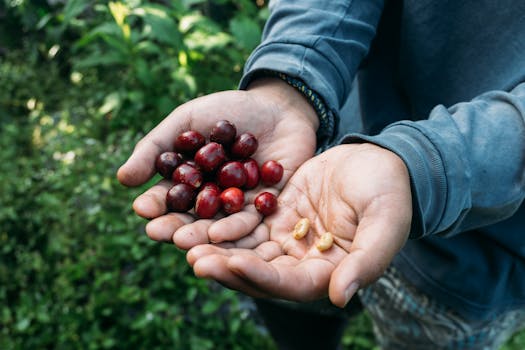 Coffee
Arabica Washed AA
Specialty-grade Arabica from Mt. Elgon. Floral notes, bright citrus acidity.
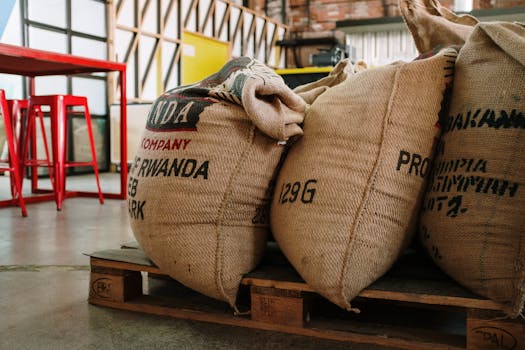 Coffee
Robusta Screen 18
Premium natural-dried Robusta. Bold body, chocolate and earthy notes.
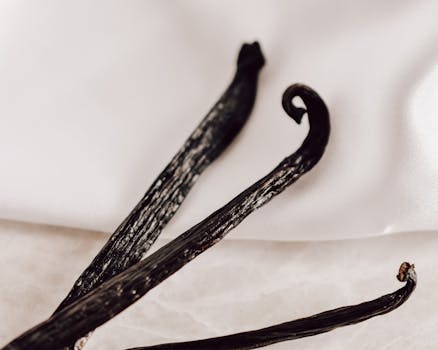 Vanilla
Gourmet Vanilla Beans
Vanilla planifolia, 15–20 cm. High vanillin content (>1.8%). Moist and pliable.
Our Impact in Numbers
* 800+ tonnes of coffee + 60+ tonnes of vanilla · 45% female farmers · 3 solar drying units · 12,000+ shade trees planted
Ready to Import Uganda's Finest?
Whether you need green coffee beans, cured vanilla pods, or a mixed container – we are ready to partner with you. Ethical sourcing, transparent pricing, reliable delivery.
Request a Quote
Tell us what you need — coffee, vanilla, or both. Our team will get back to you with full specifications and pricing within 24 hours.