Premium Ethiopian Arabica
Green Coffee Beans Export
Directly sourced from Ethiopia’s highland coffee regions — specialty grade Arabica green coffee beans carefully processed and exported to roasters, importers, and wholesale buyers worldwide.
🇪🇹 Verified Ethiopian Coffee Exporter Network
Green Coffee Beans Ethiopia Export: Premium Arabica Sourcing for Global Roasters
Global buyers increasingly demand green coffee beans Ethiopia export – not just for the origin story, but for unmatched heirloom complexity, high-altitude density, and traceable supply chains. Whether you are a specialty roaster or a volume importer, Ethiopia offers the world’s most diverse Arabica profiles.
From Yirgacheffe’s jasmine to Guji’s berry sweetness, we connect you with vetted exporters, cooperatives, and mills. Access Grade 1 microlots, Grade 2 bulk containers, organic certifications, and full export documentation – all with FOB Djibouti or Addis terms.
✓ Quotes within 24h | ✓ Traceable lots | ✓ Annual contract support
Why do serious buyers prioritize green coffee beans Ethiopia export over other origins?
- ✓ Genetic cradle of Arabica – unmatched heirloom diversity (over 10,000 varieties)
- ✓ 500,000+ metric tons yearly – consistent, scalable supply
- ✓ 40%+ specialty grade – SCA cupping scores 80+ from top regions (Yirgacheffe, Guji, Sidama)
- ✓ High‑altitude density & complex profiles – jasmine, citrus, berry, chocolate notes
This guide delivers everything procurement managers and green coffee buyers need:
Why Ethiopia Is One of the Best Origins for Green Coffee Beans
Ethiopia’s coffee is not just a commodity; it’s a sensory hallmark. Grown at 1,500–2,300 meters, these heirloom varieties develop dense beans with florals, citrus, and berry notes that no other origin can replicate. For green coffee beans Ethiopia export buyers, this means premium cupping scores (often 84–90+ SCA) and strong consumer pull.
- 🌱 Genetic diversity
over 6,000 heirloom varieties → unique flavor libraries. Yirgacheffe (floral/jasmine), Sidama (citrus/chocolate), Guji (berry/winey). - ⛰️ High-density beans
high altitude → slower maturation → harder beans = better for roasting development, longer shelf life. - 📈 Premium demand & export share
60%+ of Ethiopian exports go to EU, USA, Japan, Saudi Arabia. Specialty segment growing +15% YoY. - 🤝 Direct trade incentive
roasters build brand equity around traceable Ethiopian lots – from single‑farmer to cooperative washing stations. - 💧 Versatile processing
washed (bright, floral), natural (berry, jammy), honey (balanced). Each method unlocks distinct profiles.
📌 Regional cupping notes (SCA score range):
Ethiopia = #5 global coffee exporter
☕ Why buyers lock in Ethiopian contracts:
- Unbeatable cup complexity – differentiates specialty offerings
- Reliable ECX grading system (Grade 1–9, with Grade 1/2 for export)
- Growing direct trade opportunities from cooperatives
- EUDR‑compliant traceability now standard for washed & natural lots
Green Coffee Beans Ethiopia Export – Market Overview
The Ethiopian coffee supply chain is decentralized but mature: smallholder farmers (95% of production) deliver cherries to cooperatives or private washing stations, where coffee is processed (washed/natural), then milled and graded before licensed exporters sell to international buyers. The Ethiopian Coffee & Tea Authority (ECTA) oversees quality, and the Ethiopia Commodity Exchange (ECX) handles many commercial lots, though direct specialty export is growing rapidly.
🇪🇹 Export supply chain at a glance
~4M farmers, 1–2 hectares each →
>4,000 cooperatives + 300+ private stations →
Washed station (bright) or natural (sun‑dried) →
Grades 1–9 (Grade 1 & 2 for export) →
500+ ECX-registered exporters →
Container‑scale shipment to global buyers
Best Ethiopian Regions for Export Coffee Beans (Commercial Buying Guide)
Washed: jasmine, bergamot, tea‑like. Natural: strawberry jam. Ideal for specialty roasters; premium pricing +30–40% over commercial.
Balanced fruit, winey acidity, chocolate finish. High‑volume grade 2 & 3 – workhorse for wholesale blends and single‑origin lines.
Berry sweetness, complex acidity, dense body. Many Cup of Excellence winners. Emerging premium zone with rising demand.
Blueberry/wine notes, wild, earthy profile. Niche, limited lots – high demand for adventurous roasters and specialty blends.
Well‑balanced, medium body, bright acidity. Commercial grade 3/4 stable supply, often used in espresso bases and large‑scale roasting.
Lower altitude, wild forest coffees. Mostly commercial grade 4/5 for large‑scale roasting, instant coffee, and blends requiring volume.
Ethiopian Coffee Bean Export Grades Explained (Premium Buyer Guide)
| 🏷️ Grade | 📋 Defects (per 300g) | 📏 Screen Size | 🌟 SCA Score | 💧 Processing | 💰 Price Multiplier | 🎯 Best For |
|---|---|---|---|---|---|---|
| Grade 1 | ≤3 | 14–18+ | 85–90+ | Washed / Natural / Honey | 2.5–3x baseline | Specialty roasters, single‑origin, microlots |
| Grade 2 | 4–12 | 14–17 | 80–84 | Washed / Natural | 1.5–2x baseline | Premium commercial, specialty blends |
| Grade 3 | 13–25 | 13–15 | 78–82 | Washed / Natural | 1–1.3x baseline | Commercial roasting, espresso base, consistent volume |
| Grade 4 | 26–45 | 12–14 | 75–78 | Natural / semi‑washed | 0.7–0.9x baseline | Industrial, instant coffee, large‑volume blends |
| Grade 5 | >45 | <12 | <75 | Natural / commodity | 0.5–0.7x baseline | Cost‑effective bulk, instant coffee base, extract |
Ethiopian Green Coffee Beans Wholesale Formats & Process Styles
Washed (Wet)
Clean, bright, floral, tea‑like acidity. Typical for Yirgacheffe & Sidama. Preferred by specialty roasters. Grades 1/2.
Natural (Dry)
Fruity, heavy body, berry/wine notes. Harrar & Guji naturals highly sought after. Grades 2–4.
Anaerobic / Honey
Experimental, high complexity, winey acidity. Limited lots, fully traceable. For innovation roasters and competitions.
Organic Certified
EU / USDA NOP certified. Available from cooperatives. Full documentation and traceability. Grades 1–3.
Bulk Commercial
Grades 3–5, consistent profile for industrial roasting, instant coffee, and large‑volume blends. Cost‑effective.
Microlots
Single farmer or small batch (≤50 bags). Fully traceable, SCA 87–90+. Ideal for competitions and brand differentiation.
What Serious Buyers Look for in Ethiopian Green Coffee Suppliers
Moisture 10.5–12%
Avoid mold, weight loss, and uneven roasting. Ideal for long‑term storage. ECX standard.
Screen size 14–18
Uniform bean size ensures even roasting. Grade 1/2 typically screen 15–17+. Ask for sieve analysis.
Defects ≤5 (G1/G2)
Grade 1: ≤3 defects/300g. Grade 2: 4–12 defects. Specialty threshold is <5 full defects.
SCA cupping 84+
Premium positioning requires 84+ for specialty. Request latest crop sensory scores.
Crop freshness
Current harvest only (October–January). Old crop (>12 months) loses aromatic complexity.
Full documentation
Phytosanitary, Certificate of Origin, ECX grade cert, B/L, commercial invoice. EUDR traceability data for Europe.
Response < 24h
Quotes, sample logistics, and contract negotiation. Professional communication signals reliability.
FOB Djibouti clarity
No hidden port fees. Transparent pricing: FOB Djibouti (most common) or Addis. Confirm container loading costs.
How to Import Unroasted Ethiopian Coffee Beans – Step-by-Step
Import Roadmap (9 Steps)
- {{step-counter}} Request supplier shortlist – ECTA-licensed exporters only. Verify ECX registration and trade references.
- 2 Obtain current crop list & pricing – specify grade (1–5), processing (washed/natural), region, FOB Djibouti (most common) or Addis terms.
- 3 Order representative samples – 250g–1kg for cupping (SCA protocol), moisture analysis (10.5–12%), physical grading (defect count, screen size).
- 4 Negotiate commercial terms – MOQ (1 container ≈ 20,000kg for bulk, 50–100 bags for microlots), payment (LC at sight or TT with deposit), Incoterms (FOB, CIF, CFR).
- 5 Sign sales contract – quality specs (grade, defect count, screen, moisture), delivery window, dispute resolution (e.g., GAFTA, RSA terms).
- 6 Arrange pre‑shipment inspection (optional) – SGS, Cotecna, or Bureau Veritas for container loading verification, grade confirmation.
- 7 Process export documentation – phytosanitary, Certificate of Origin (Ethiopia), ECX grading certificate, commercial invoice, packing list, fumigation (if wood packaging).
- 8 Shipping booking – 20ft/40ft container via Djibouti port (most common) or Addis dry port to Europe/Asia/Americas. Transit: 4–6 weeks to EU/US.
- 9 Customs clearance at destination – HS code 0901.11 (green coffee, not decaffeinated). Verify import tariffs: EU 0% (under Everything But Arms), USA 0–0.5%.
⏱️ Lead times & market snapshot (2025/26)
📦 MOQ & container capacity
💰 Indicative price ranges (FOB Djibouti per kg)
📋 Critical documents to request:
- Phytosanitary certificate (Ethiopian Ministry of Agriculture)
- Certificate of Origin (Ethiopia – required for tariff preference)
- ECX grading certificate (with defect and screen analysis)
- Commercial invoice & packing list (HS code 0901.11)
- Fumigation certificate (if wood packaging is used)
- EUDR traceability declaration (for Europe – deforestation‑free)
Quality tip: Moisture content above 12% risks mold and weight loss. Below 10% causes brittleness. Always request a moisture meter report with each shipment.
Prices are indicative and fluctuate with crop size, global demand (C‑price + differential). Long‑term contracts (12–36 months) offer price stability.
Packaging Options for Export Green Coffee Beans
60kg jute bags
Standard for commercial grades (Grade 3–5). Breathable, stackable, cost‑effective. Used for >70% of bulk exports.
GrainPro liners
Food‑grade hermetic barrier maintains 10.5–12% moisture. Preserves specialty cup quality during 4–8 week transit. Recommended for Grades 1–2.
Vacuum packing
For ultra‑premium microlots and competitions. Extends freshness up to 24 months. Higher cost but protects high‑value lots.
Palletized / LCL
Consolidated shipments for less‑than‑container loads (LCL). Ideal for small roasters (50–100 bags). Pallet wrap reduces bag damage.
Why Buyers Prefer Ethiopia
- ▹ Unmatched flavor diversity – over 6,000 heirloom varieties, SCA 84–90+
- ▹ Premium brand story – origin marketing adds 20–40% retail premium
- ▹ Better margins through direct sourcing – bypass intermediaries, increase net profit 10–15%
- ▹ Growing consumer demand for origin – 65%+ of specialty buyers seek single‑origin Ethiopia
Challenges & Mitigations
- ▹ Freight volatility → lock FOB contracts + book shipping 4–6 weeks early
- ▹ Seasonal stock → buy 6–9 months post‑harvest (March–June) for best price
- ▹ Documentation delays → use experienced freight forwarders with ECX/ECTA relationships
- ▹ Competition for top lots → build long‑term relationships & forward contracts
Future of Ethiopian Green Exports
- ▹ Blockchain traceability programs – IBM Food Trust and Farmer Connect pilots
- ▹ More organic & regenerative certified lots – premium +20–30% by 2027
- ▹ Direct farm‑to‑roaster models increasing – bypass ECX auction for specialty
- ▹ Specialty share to exceed 50% by 2030 – driven by global demand for high‑quality Arabica
Secure Premium Ethiopian Green Coffee for Your Roastery
Whether you need a 20ft container of Sidama Grade 2 or a pallet of Yirgacheffe Grade 1 microlots, our verified Ethiopian green coffee beans Ethiopia export partners deliver consistent quality, full traceability, and competitive FOB pricing. Request current crop samples and wholesale quotes today.
All inquiries receive grade analysis, cupping scores, and container availability within 24 hours.
Frequently Asked Questions – Green Coffee from Ethiopia
❓ What is the minimum order quantity (MOQ) for green coffee beans Ethiopia export?
Most exporters offer MOQ from 1 ton for sample contracts up to full container loads (19.2 MT in 20ft / 26.4 MT in 40ft). Specialty microlots sometimes available in 300–600kg.
❓ How do I verify the quality before shipment?
Request pre-shipment samples (250g–1kg) for cupping, moisture analysis, and screen grading. Third-party inspection like SGS can be arranged.
❓ What’s the difference between Grade 1 and Grade 2 Ethiopian green beans?
Grade 1: ≤3 defects/300g, specialty cupping (85+). Grade 2: 4–12 defects, premium commercial (SCA 80–84). Pricing and roast applications differ.
❓ What documents are required for Ethiopian green coffee import?
Phytosanitary certificate, Certificate of Origin (COO), bill of lading, commercial invoice, packing list, and sometimes ECX quality certificate. Customs regulations vary by destination country.
❓ How long does shipping take from Ethiopia to Europe/USA?
From Djibouti port to Europe approx. 4–5 weeks, to US East Coast 5–6 weeks. Addis Ababa air freight for samples available in 3–5 days.
Ready to import Ethiopian green coffee beans?
Get current FOB prices, cupping sheets, and available grades for the 2025 crop.
📧 Send Wholesale Inquiry →We connect you directly with verified Ethiopian coffee exporters.
Our Services
Procurement
Direct sourcing from 1,500+ trusted outgrower farmers across Uganda.
Processing
Wet/dry coffee mills and traditional vanilla curing shed — full quality control at every step.
Trade Export
Sea & air freight, all documentation, certifications, and climate-controlled warehousing.
Roasting
Artisan roasting profiles tailored to specialty buyers and foodservice clients worldwide.
Coffee & Vanilla, Together
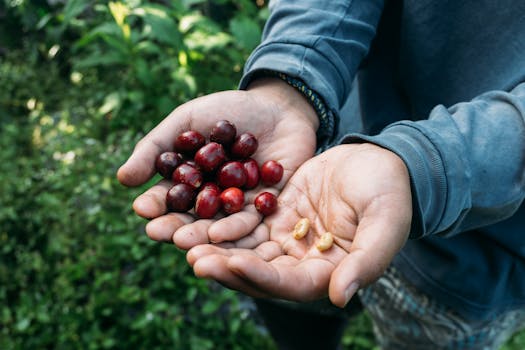 Coffee
Arabica Washed AA
Specialty-grade Arabica from Mt. Elgon. Floral notes, bright citrus acidity.
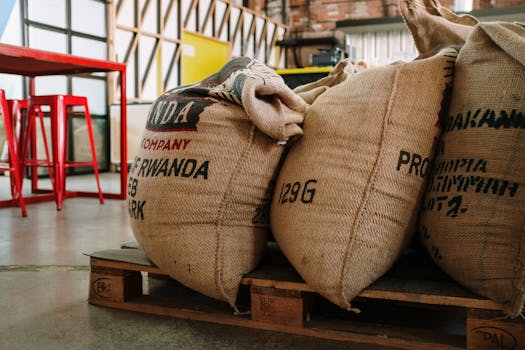 Coffee
Robusta Screen 18
Premium natural-dried Robusta. Bold body, chocolate and earthy notes.
 Vanilla
Gourmet Vanilla Beans
Vanilla planifolia, 15–20 cm. High vanillin content (>1.8%). Moist and pliable.
Our Impact in Numbers
* 800+ tonnes of coffee + 60+ tonnes of vanilla · 45% female farmers · 3 solar drying units · 12,000+ shade trees planted
Ready to Import Uganda's Finest?
Whether you need green coffee beans, cured vanilla pods, or a mixed container – we are ready to partner with you. Ethical sourcing, transparent pricing, reliable delivery.
Request a Quote
Tell us what you need — coffee, vanilla, or both. Our team will get back to you with full specifications and pricing within 24 hours.