Premium Arabica
from the Birthplace of Coffee
Direct from Yirgacheffe, Sidama & Limu — heirloom varieties, washed & natural processed, ethically sourced and expertly prepared for export.
Ethiopia Coffee Exporters: Premium Arabica & Bulk Green Beans for Global Buyers
As the genetic home of Coffea arabica, Ethiopia produces the world’s most complex and sought‑after specialty coffees. Leading Ethiopia coffee exporters deliver heirloom varieties, washed and natural processing, and full traceability from high‑altitude farms to the port of Djibouti.
From the floral notes of Yirgacheffe to the wild berries of Harrar, every bean tells a story of origin. As verified Ethiopian coffee export companies, we offer consistent bulk supply, competitive FOB pricing, SCA specialty grades, and long‑term partnership models for international roasters, importers, and distributors.
✓ Quotes within 24h | ✓ ECX‑licensed suppliers | ✓ Contract support

Ethiopia is the only origin where Arabica coffee grows wild, producing over 7.5 million 60‑kg bags annually.
- ✓ Heirloom genetics – over 6,000 native varieties, found nowhere else
- ✓ Unmatched floral complexity – jasmine, bergamot, berry, wine notes
- ✓ Transparent farm‑to‑port supply chains – ECX grading + direct trade options
- ✓ 35%+ specialty share – fastest‑growing premium segment globally
This guide covers everything international buyers need to source from verified Ethiopia coffee exporters:
Why Ethiopia Is the World’s Most Important Arabica Coffee Origin
Ethiopia’s high‑altitude terroirs (1,500–2,400 masl), heirloom varieties, and traditional farming produce coffee with unmatched floral, citrus, berry, and chocolate notes. The country is the genetic origin of all Arabica coffee globally, giving it an irreplaceable position in specialty markets.
- 🌱 Heirloom arabica varieties
thousands of native landraces found nowhere else – over 6,000 documented to date. - 💧 Dual processing styles
washed (floral, tea‑like acidity) and natural (berry, winey, full body) – both highly sought after. - 📈 Specialty dominance
over 35% of exports are specialty grade (SCA 84+), with +15% YoY growth in premium lots. - 🌍 Global demand growth
EU and US imports of arabica coffee export Ethiopia rose 22% (2023‑2024), driven by specialty roasters.
📌 Altitude & cup profile correlation:
100% Arabica origin
Ethiopia is the birthplace of Arabica – all coffee trees worldwide trace back to Ethiopian forests. This heritage commands premium pricing and consumer trust.
🔍 Why global roasters prioritize Ethiopia:
- Unrepeatable heirloom profiles – differentiate menu offerings
- Consistent ECX grading reduces quality risk
- Direct trade infrastructure expanding (traceable lots)
- Consumer demand for origin‑specific Ethiopia coffee up 18% YoY
Ethiopia Coffee Export Industry Overview
Export supply chain at a glance
ECX vs Direct Trade – What Buyers Need to Know
🌍 Top export destinations (2025):
What Makes Ethiopian Coffee Export Companies Competitive
Modern Processing
- Wet/dry mills with Penagos eco‑pulpers
- Raised drying beds (African beds) for naturals
- Moisture control labs & temp‑controlled warehouses
- Process styles: Washed, Natural, Honey
Traceability Systems
- ECX warehouse receipts (batch traceability)
- Direct trade contracts to washing station/farm
- Blockchain‑ready documentation (farm → B/L)
- Geolocation data for EUDR compliance
Quality Control
- In‑house Q Graders (SCA certified)
- Screen sizing: 14–18+ (uniform roasting)
- Defect count: G1 ≤3, G2 ≤12, G3 ≤25 per 300g
- Moisture: 11% max (ECX standard)
Export Certifications
- Organic (EU / USDA NOP)
- Fairtrade, Rainforest Alliance, 4C
- UTZ, C.A.F.E. Practices (Starbucks)
- ECX licensed + ECTA registered
Leading Coffee Exporters in Ethiopia – Market Landscape
Large‑scale Industrial Exporters
- MOQ: 2–4 containers (≈ 26–52 MT)
- Volume: 50+ containers/month
- ECX integration, certified (ISO, HACCP)
- Grades: 2, 3, 4 (consistent medium‑grade Arabica)
- Full export docs, FOB Djibouti
✓ Best for: volume roasters, large importers, industrial buyers
Specialty & Micro‑lot Exporters
- MOQ: 50–300 bags (3–18 MT)
- Cup of Excellence (COE) winners, SCA 86–90+
- Full farm‑level traceability (washing station/farm)
- Grades: Grade 1 only, single‑farm lots
- Rare heirloom varieties, microlot pricing
✓ Best for: specialty roasters, competition buyers, premium brands
Cooperative Unions
- MOQ: 1–2 containers (13–26 MT)
- Organic / Fairtrade / Rainforest certified
- Smallholder traceability (primary cooperative level)
- Social compliance premiums (10–25% above farmgate)
- Grades: 2, 3 (washed/natural), some specialty lots
✓ Best for: ESG‑focused brands, sustainability programs, ethical sourcing
📊 How to choose the right exporter type:
Global buyers should evaluate based on MOQ, certification needs, and traceability level.
Specialty exporters → rare heirloom lots with farm data.
Cooperative unions → organic volume + social compliance.
Bulk Ethiopian Coffee Suppliers for Global Buyers
Container Logistics
- 20ft container: 320 bags (≈ 19.2 MT)
- 40ft container: 640 bags (≈ 38.4 MT)
- Packaging: GrainPro + jute (60kg) or vacuum‑packed Ecotact
- Incoterms: FOB Djibouti (most common), CIF, CFR
- Palletization available – reduces bag damage
Pricing & MOQ
- MOQ: typically 1 container (≈ 19 MT) for commercial grades
- Pricing: FOB Djibouti based on grade, cup score, and “C” market + differential
- Payment methods: LC at sight (safest) or TT (30/70 for established partners)
- Forward contracts available (12–36 months) with fixed premiums
Procurement Process
- RFQ (grade, volume, processing)
- Pre‑shipment sample cupping (SCA protocol)
- Proforma invoice & contract
- Export inspection (ETB 489 fee) – ECX or third‑party
- Shipping documentation (phytosanitary, COO, ECX cert)
Transit Times
- Djibouti → Europe: 30–35 days
- Djibouti → US East Coast: 35–45 days
- Djibouti → Asia: 35–40 days
- Djibouti → Middle East: 20–25 days
- Air freight available for sample orders (3–5 days)
💡 Bulk buyer tip:
For first‑time bulk orders, start with a 20ft container (Grade 2 washed from Sidama or Yirgacheffe). Request GrainPro liners to protect moisture during transit. Allow 2–3 months from initial inquiry to delivery.
Arabica Coffee Export Ethiopia – Why It Dominates Specialty Markets
Yirgacheffe
Jasmine, bergamot, tea‑like body (washed). Blueberry jam, florals (natural).
Sidama (Sidamo)
Balanced, citrus, chocolate, winey acidity. Excellent for blending or single‑origin espresso.
Guji
Intense berries, candied fruit, creamy mouthfeel. Often anaerobic processed – 88+ points.
Harrar
Dried fruit, mocha undertones, wild spice. Traditional longberry grade, niche demand.
Specialty pricing (2025) – FOB Djibouti per kg
Premiums reflect cup score, certification (organic), and processing method (anaerobic adds +15–25%).
Why Ethiopian Arabica dominates specialty
- Heirloom genetics – over 6,000 unique varieties = flavor diversity impossible to replicate
- High altitude & density – 1,500–2,300m → slow maturation, complex acidity
- Dual processing expertise – washed (clarity, floral) + natural (berry, body)
- ECX grading reliability – consistent defect & screen analysis for export
How to Import Coffee from Ethiopia – Step‑by‑Step Guide
Import Roadmap (6 Steps)
- {{step-counter}} Supplier selection – verify Ethiopian Coffee & Tea Authority (ECTA) export license. Request trade references and third‑party audit reports (SGS, Cotecna).
- 2 Sampling & cupping – order 250–500g pre‑shipment samples from the actual lot. Evaluate against SCA protocol (acidity, body, aftertaste, balance).
- 3 Contract negotiation – define grade (G1/G2/G3), screen size (14–18+), defect count, moisture (10.5–12%), FOB Djibouti price, payment terms (LC at sight recommended).
- 4 Export documentation – secure phytosanitary, Certificate of Origin (Ethiopia), ECX grading certificate, commercial invoice, packing list, bill of lading.
- 5 Shipping & logistics – freight forwarder books 20ft/40ft container. Inland transport from mill to Djibouti port (5–7 days). Sea freight: 30–45 days.
- 6 Customs clearance – pay import duties based on destination tariff (HS code 0901.11). Final quality check against contract sample – optional third‑party inspection.
⏱️ Import timeline (first order)
📋 Required export documents:
- Phytosanitary certificate (Ministry of Agriculture)
- Certificate of Origin (Ethiopia)
- ECX grading certificate (defect & screen analysis)
- Commercial invoice & packing list (HS 0901.11)
- Bill of lading (sea freight) / air waybill
- Fumigation certificate (if wood packaging)
- Verify exporter’s ECTA license number online
- Request moisture test report (target 10.5–12%)
- Specify packaging: GrainPro + jute or vacuum Ecotact
- Confirm EUDR traceability for European shipments
Repeat orders can be 30–50% faster with established contracts and pre‑approved documentation.
Challenges in Ethiopia Coffee Export Business
Logistics Bottlenecks
- Djibouti port congestion during peak season (Nov–Feb)
- Inland transport delays from Addis to Djibouti (5–7 days normally → 10–14 days peak)
- Container availability fluctuations (20ft/40ft)
- Freight rate volatility (±20–50% seasonally)
Price Volatility
- Arabica “C” market fluctuations (±30–50% year-over-year)
- Differential swings for specialty grades (G1 microlots can double in auction)
- Currency risk (ETB/USD exchange rate volatility – 10–20% swings)
Climate & Yield Risks
- Rain‑fed agriculture – drought or excessive rain impacts crop size (up to 30% yield variation)
- Regional anomalies (frost in highlands, flooding in lowlands)
- Pest pressure (coffee berry borer) in warm years
- Climate change shifting harvest seasons
Regulatory Complexity
- Export permits, ECX grading changes, and tax variations (export tax 0–5%, withholding tax 2%)
- EUDR compliance (deforestation‑free) requires farm geolocation data from 2025 deadline
- Documentation errors cause customs delays (phytosanitary, COO, ECX cert)
- Frequent updates to coffee export regulations
💡 Risk management summary for buyers:
Combine fixed‑price short contracts (price volatility), regional diversification (climate risk), early vessel booking (logistics), and working with ECX‑licensed exporters (regulatory). For specialty roasters, build direct relationships with washing stations to reduce intermediary risk and improve traceability.
Future of Ethiopia Coffee Exports
Key Trends Reshaping the Sector
- ▹ Direct trade expansion – more roasters bypassing ECX for farm‑level contracts (+25% YoY specialty direct trade).
- ▹ Digital B2B platforms – e‑auctions (e.g., Cup of Excellence online), blockchain traceability (IBM Food Trust, Farmer Connect).
- ▹ Sustainability & EUDR alignment – carbon‑neutral washing stations, agroforestry certifications, geolocation data for deforestation‑free compliance.
- ▹ Value‑added processing – roasted, ground, and soluble coffee exports growing 12% annually (targeting regional African markets).
- ▹ Specialty share target – from 35% today to 50%+ by 2030, driven by Asian and Middle Eastern demand.
Growth Projection & Roadmap
⏱️ Timeline of key developments:
- 2025: EUDR compliance mandatory for Europe → geolocation data required
- 2026: National blockchain traceability platform launch (pilot)
- 2027: Export revenue target $2B (doubling from 2020 baseline)
- 2030: Specialty share exceeds 50%, organic certified lots double
Strategic takeaway: Buyers investing in direct relationships, sustainability programs, and early EUDR compliance will have competitive advantage in accessing top lots.
For importers, Ethiopia coffee exporters are investing in quality‑focused infrastructure, making the origin even more attractive for premium buyers.
Frequently Asked Questions – Ethiopia Coffee Exporters & B2B Sourcing
1. What makes Ethiopia coffee exporters different from other origins?
Ethiopia is the genetic birthplace of Arabica. Ethiopia coffee exporters offer heirloom varieties, unique processing (washed, natural, anaerobic), and distinct regional profiles (Yirgacheffe, Sidamo, Guji, Harrar) that command specialty premiums. No other origin can replicate Ethiopian floral and berry complexity.
2. What is the typical MOQ for bulk Ethiopian coffee suppliers?
Most bulk Ethiopian coffee suppliers require one 20‑ft container (320 x 60kg bags ≈ 19.2 MT) for standard grades. Specialty microlot exporters may accept 10‑15 bags at higher per‑kg prices. Always confirm MOQ and packaging (GrainPro + jute or vacuum Ecotact).
3. Which Ethiopian coffee grades should international buyers target?
For arabica coffee export Ethiopia, Grade 1 (G1 – 0‑3 defects/300g) and Grade 2 (G2 – 4‑12 defects) are best for specialty roasters. G3/G4 suit commercial blends. Washed Yirgacheffe G1 often scores 85+ SCA; natural Sidamo G2 offers excellent value for bulk.
4. What certifications do Ethiopian coffee export companies provide?
Leading Ethiopian coffee export companies offer Organic (EU/USDA NOP), Fairtrade, Rainforest Alliance, UTZ, and 4C. Many also support direct‑trade verification and blockchain traceability. Certifications add 10‑25% premium but open high‑value markets.
5. How do I verify a legitimate coffee exporter in Ethiopia?
Request the exporter’s trade license from the Ethiopian Coffee & Tea Authority. Cross‑check with the Ministry of Trade database. Ask for references, pre‑shipment samples (cupping), and past bills of lading. Reputable coffee exporters in Ethiopia will share third‑party inspection reports (SGS, Cotecna).
6. What are the shipping ports and transit times for Ethiopian coffee?
Nearly all bulk Ethiopian coffee suppliers export via Djibouti port. Transit: 30‑35 days to Europe, 35‑45 days to US East Coast, 25‑30 days to Middle East, 35‑40 days to Asia. Inland transport from mill to Djibouti takes 5‑7 days.
7. What payment terms are standard when importing from Ethiopia?
Most first‑time transactions use LC at sight (letter of credit). Established relationships may switch to 30% TT advance / 70% against shipping documents. FOB Djibouti is common; CIF available. Always define incoterms, demurrage, and quality arbitration (EIC/SCA protocol) in the contract.
8. How does the Ethiopian Commodity Exchange (ECX) affect export quality?
The ECX centralises grading and auctioning, ensuring consistent quality for Ethiopia green coffee beans suppliers. For full traceability, many specialty exporters operate outside ECX via direct trade licenses. You can request ECX certificates (region, grade, defect count) or direct‑trade documentation.
9. What is the current price range for specialty coffee Ethiopia export?
As of 2025, FOB Djibouti for specialty coffee Ethiopia export (G1 washed) ranges $4.50‑7.00/kg. Premium naturals (Guji, Yirgacheffe) reach $8‑12/kg. Commercial G3/G4 Arabica trades $3.00‑4.20/kg. Prices vary with “C” market, cup score, and certification. Request live quotes.
10. How can I request samples and start a trial order?
Contact verified Ethiopia coffee exporters via the RFQ button above. Most provide 250‑500g green bean samples (air freight cost often deducted from first container). Trial orders of 5‑10 bags (300‑600kg) can be arranged by air or consolidated LCL sea freight before full container commitment.
Conclusion: Ethiopia remains the world’s most important Arabica origin. By partnering with verified Ethiopia coffee exporters, importers gain access to unmatched flavor diversity, consistent specialty grades, and a supply chain rooted in centuries of coffee heritage. Whether you require bulk natural Sidamo or microlot washed Yirgacheffe, direct sourcing relationships ensure competitive pricing and quality assurance.
Ready to Import Ethiopia’s Finest Arabica?
Connect with verified Ethiopia coffee exporters today. Request your bulk quotation for specialty Yirgacheffe, Sidamo, Guji, or commercial grades – competitive FOB pricing, consistent supply, and full export support.
All inquiries answered within 48 hours | Pre‑shipment samples available for bulk orders
Our Services
Procurement
Direct sourcing from 1,500+ trusted outgrower farmers across Uganda.
Processing
Wet/dry coffee mills and traditional vanilla curing shed — full quality control at every step.
Trade Export
Sea & air freight, all documentation, certifications, and climate-controlled warehousing.
Roasting
Artisan roasting profiles tailored to specialty buyers and foodservice clients worldwide.
Coffee & Vanilla, Together
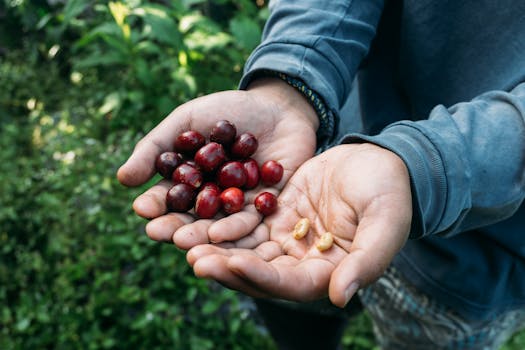 Coffee
Arabica Washed AA
Specialty-grade Arabica from Mt. Elgon. Floral notes, bright citrus acidity.
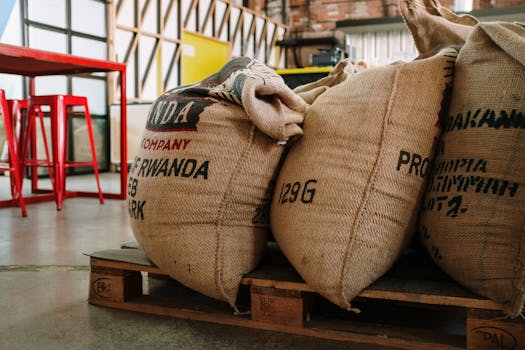 Coffee
Robusta Screen 18
Premium natural-dried Robusta. Bold body, chocolate and earthy notes.
 Vanilla
Gourmet Vanilla Beans
Vanilla planifolia, 15–20 cm. High vanillin content (>1.8%). Moist and pliable.
Our Impact in Numbers
* 800+ tonnes of coffee + 60+ tonnes of vanilla · 45% female farmers · 3 solar drying units · 12,000+ shade trees planted
Ready to Import Uganda's Finest?
Whether you need green coffee beans, cured vanilla pods, or a mixed container – we are ready to partner with you. Ethical sourcing, transparent pricing, reliable delivery.
Request a Quote
Tell us what you need — coffee, vanilla, or both. Our team will get back to you with full specifications and pricing within 24 hours.